
Schemmer
Newsroom
How Modern Buildings Stay Connected, Efficient, and Ready for the Future
December 10, 2025 • All
Walk into a modern building today and you might not think twice about what is powering your phone, your lights, your conference room monitor, or even your car out in the parking lot. Behind the scenes, though, electrical systems are doing a lot more than keeping things switched on. They are working quietly in the background to manage energy more efficiently, support new technologies, and prepare for what future users will expect.
The Smarter Switch
The familiar on and off switch still exists, but it is becoming less common in new buildings. Today, lighting is supported by controls, occupancy sensors, and daylight harvesting systems that adjust themselves based on how the space is being used.
“We almost never use standard switches anymore,” says Jonathan Fant, Manager of Electrical Engineering. “Now, we design lighting systems that know when a room is empty, or when there’s enough daylight to save energy. It used to cost more to do that but now, the tech is so affordable that it’s almost standard.”
These tools do more than add convenience. They help buildings meet energy codes and reduce overall power use while keeping spaces comfortable and functional for the people who rely on them every day.
A Building with a Backbone
Modern buildings are not just powered. They are connected. That connectivity is now part of nearly every electrical design conversation.
“Every building we do has a data backbone now,” Jonathan says. “Phones, security cameras, lighting controls, even HVAC systems, they’re all running on networks. It’s amazing how much relies on those systems behind the scenes.”
Because of this shift, Schemmer’s electrical engineers are planning for far more than outlets and panels. They are creating infrastructure that supports a wide range of devices and systems, many of which did not exist only a few years ago.
The Rise of Solar and Why It Matters
Among all the changes happening in the industry, solar energy continues to gain momentum.
“It actually pays for itself over time,” Jonathan explains. “Once you’ve covered the upfront cost, it’s like money in the bank.”
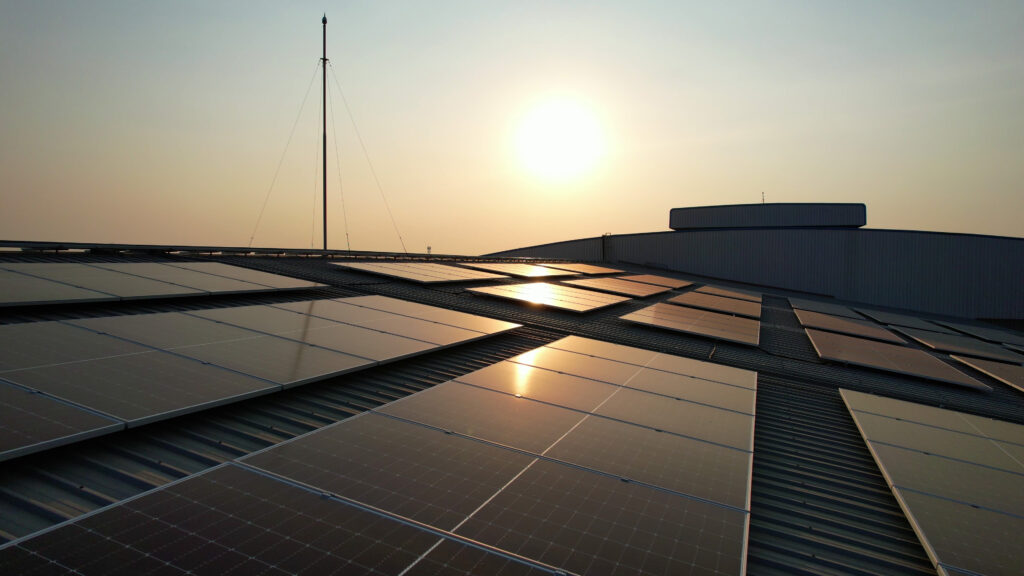
One of Schemmer’s current projects in Houston is installing rooftop solar panels capable of generating more than 100 kilowatts of electricity. For perspective, that is roughly ten times what a typical home uses, and it only requires a portion of the roof.
“I would not be surprised if there will come a day fairly soon, when every single new building will have solar on it,” Jonathan says. “It just seems like something that’s too good to pass up.”
What Comes Next
As new technologies continue to emerge, flexibility has become a core design strategy. Solar panels, EV charging stations, advanced lighting controls, and integrated network systems all require thoughtful planning long before a building opens its doors. Jonathan and his team design for those future needs by building in more capacity, more circuits, and room for growth.
Buildings may not be getting simpler, but with the right planning and the right team, they can be far smarter.
SCHEMMER – DESIGN WITH PURPOSE. BUILD WITH CONFIDENCE.
At Schemmer, we believe that great design goes beyond structures; it strengthens communities. As a full-service architecture, engineering, and construction field services consultant, we deliver innovative solutions that enhance the built environment and improve lives.
Since 1959, we have been shaping the future while honoring our legacy. With eight offices across five states in the Midwest, our expertise reaches coast-to-coast, bringing thoughtful, sustainable, and impactful solutions to every project.
Our Comprehensive Services:
- Architecture
- Structural Engineering
- Mechanical Engineering
- Electrical Engineering
- Site/Civil Engineering
- Transportation Engineering
- Water/Wastewater Engineering
- Surveying
- Interior Design
- Geotechnical Engineering
- Field Services
At Schemmer, we don’t just design, we create lasting impact. Let’s design a better future together.