
Schemmer
Newsroom
Sustainable Design That Works in the Real World
June 11, 2026 • All
Rising energy costs. Increasing stormwater regulations. Growing pressure to maximize every project dollar.
These are challenges facility owners, school districts, municipalities, and developers face every day. They are also driving greater interest in sustainable design solutions that do more than support environmental goals. The best solutions help reduce long-term costs, improve performance, and create lasting value.
For us, sustainability is not a one-size-fits-all approach. It is about finding practical solutions that fit a project’s unique needs. Two strategies gaining momentum across a variety of project types are geothermal HVAC systems and permeable paving.
Geothermal Design: Reducing Energy Costs Through Smarter Building Systems
When people hear the term “geothermal,” they often think of sustainability. Just as important, however, is the long-term operational value these systems can provide.
Geothermal systems use the stable temperatures found below the earth’s surface to heat and cool buildings efficiently throughout the year. For many facility owners, that can translate into lower energy costs, reduced maintenance needs, and improved system performance over the life of the building.
Schemmer’s Mechanical team has applied geothermal design across a variety of project types. At Bluffs Middle School in Scottsbluff, Nebraska, the existing air handling systems were replaced with a geothermal heat pump system that now heats and cools the entire 140,000-square-foot school using the earth’s natural energy. New energy recovery ventilation units were also incorporated to improve indoor air quality while recovering energy from exhaust air. The project received an Outstanding Project Award from Learning by Design Magazine.
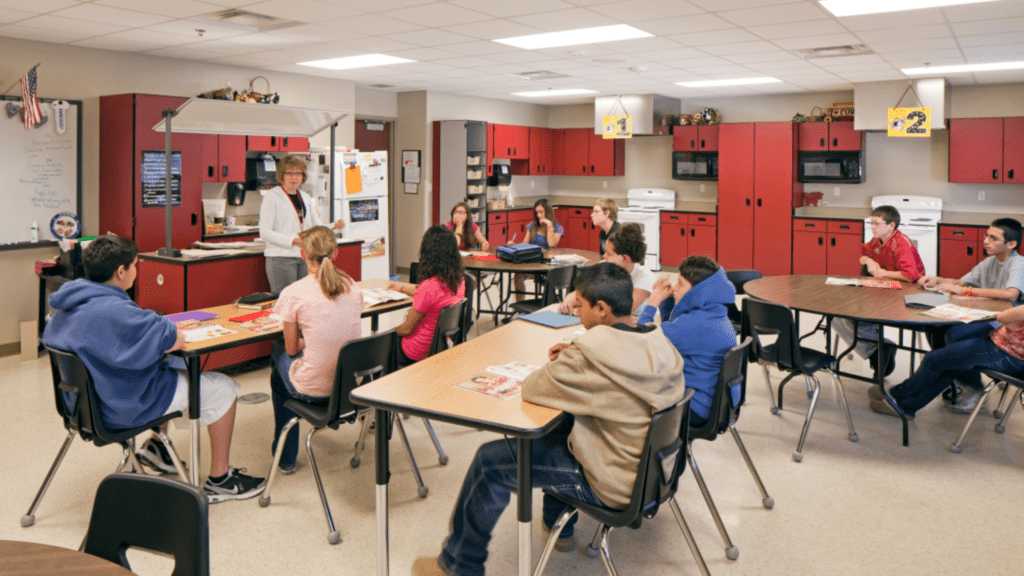
A similar approach was used during a middle school renovation in Nevada, Iowa, where a geothermal system became part of a broader effort to improve energy efficiency throughout a 75,000-square-foot facility.
Not every project has the same requirements, which is why flexibility is important. At the Iowa Army National Guard’s Camp Dodge vehicle maintenance instructional building, Schemmer designed a hybrid geothermal system that paired a geothermal ground loop with a backup gas-fired boiler. The geothermal system handled the building’s cooling needs while the boiler provided supplemental heat during extreme winter conditions. The project also incorporated energy recovery ventilation units to support indoor air quality and energy savings.
Schemmer Mechanical Engineer Anthony Pospisil, PE, offers this perspective on the technology:
“While geothermal has higher upfront costs than traditional HVAC systems, geothermal systems have a payback period ranging from 3–10 years. The range of the payback period depends on project HVAC system requirements, local energy rates, project geographical location, and site soil properties. Geothermal wellfields also require usable land on the site so it may not be as applicable for projects in urban locations.”
That balanced perspective reflects how Schemmer approaches sustainable design. The goal is not to recommend the newest or most complex solution. It is to identify the solution that best aligns with a project’s goals, budget, site conditions, and long-term performance expectations.
Permeable Paving: Managing Stormwater More Effectively
Building sustainably extends beyond what happens inside a facility.
As communities continue to face stricter stormwater requirements and increasing concerns about water quality, site design plays a critical role in project success. One tool helping address those challenges is permeable paving.
Unlike traditional pavement, permeable paving systems allow water to move through the surface and into the ground below. This helps reduce runoff, filter pollutants, and lessen the burden on traditional stormwater infrastructure.
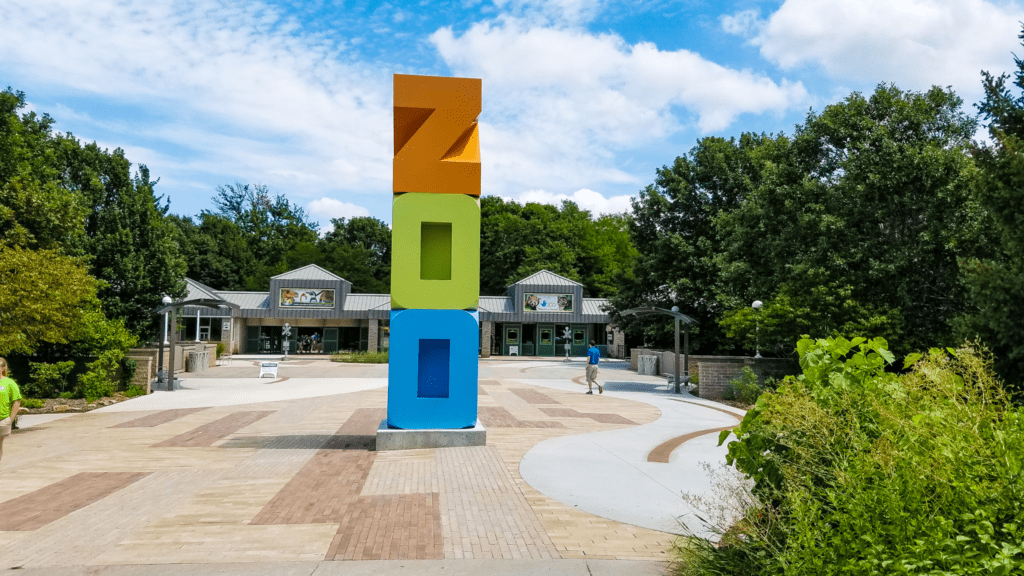
At the Lincoln Children’s Zoo in Lincoln, Nebraska, Schemmer served as the design firm for a water quality initiative that incorporated permeable pavers alongside bioretention areas, bioswale features, and a rainwater cistern. As part of the Watershed Basin Management Plan for Antelope Creek, the project was designed to reduce pollutant loads below EPA criteria and improve water quality throughout the watershed.
Today, permeable paving is being incorporated into a growing number of commercial, institutional, and public projects throughout the Midwest. In many cases, the benefits extend beyond environmental performance.
Civil Engineering CADD Technician Paul Fallon explains:
“In our effort to increase sustainable design practices in civil site designs, we have used permeable pavers on past and current projects. The use of pervious surfaces in place of concrete reduces surface runoff and can allow us to downsize traditional detention ponds. Permeable paver systems also act as a filtration system which traps pollutants including sediment, oil, and grease. My goal is to continue to implement sustainable design options on future projects to improve water quality, prevent erosion, and balance functional engineering with environmental stewardship.”
Reducing runoff can often reduce the size of detention infrastructure required on a site, lowering costs and freeing up land for other uses. By evaluating site-specific conditions such as soils, hydrology, and regulatory requirements, Schemmer’s Civil team helps clients determine where permeable paving can provide the greatest value.
Building for the Future
Sustainable design is not about checking a box. It is about making informed decisions that improve performance, create long-term value, and help projects succeed well beyond opening day.
Whether through geothermal systems, permeable paving, or other innovative design strategies, Schemmer’s multidisciplinary teams work to identify practical solutions that balance environmental responsibility with real-world results.
As technology continues to evolve and client needs change, that commitment remains the same: delivering thoughtful designs that serve people, communities, and organizations for years to come.
SCHEMMER – ARCHITECTURE | ENGINEERING | +
At Schemmer, we believe that great design goes beyond structures; it strengthens communities. As a full-service architecture, engineering, and construction field services consultant, we deliver innovative solutions that enhance the built environment and improve lives.
Since 1959, we have been shaping the future while honoring our legacy. With nine offices across six states in the Midwest, our expertise reaches coast-to-coast, bringing thoughtful, sustainable, and impactful solutions to every project.
Our Comprehensive Services:
- Architecture
- Structural Engineering
- Mechanical Engineering
- Electrical Engineering
- Site/Civil Engineering
- Transportation Engineering
- Water/Wastewater Engineering
- Surveying
- Interior Design
- Geotechnical Engineering
- Field Services
At Schemmer, we don’t just design projects, we create lasting impact. Let’s design a better future together.