
Schemmer
Newsroom
Interior Design Trends to Watch in 2026
March 13, 2026 • All
Interior design is always evolving, but the trends emerging in 2026 point to something pretty simple: people want spaces that feel comfortable, natural, and human. After years of rapid change in how and where we work, many organizations are rethinking how their spaces support the people who use them every day.
According to Schemmer Interior Design Manager Jackie Bacon, several trends are starting to take shape that reflect this shift. From textured materials to workplace flexibility and sustainability, the focus is increasingly on creating environments that feel good to be in while still working hard for the people who use them.
Texture and Sensory Design Take Center Stage
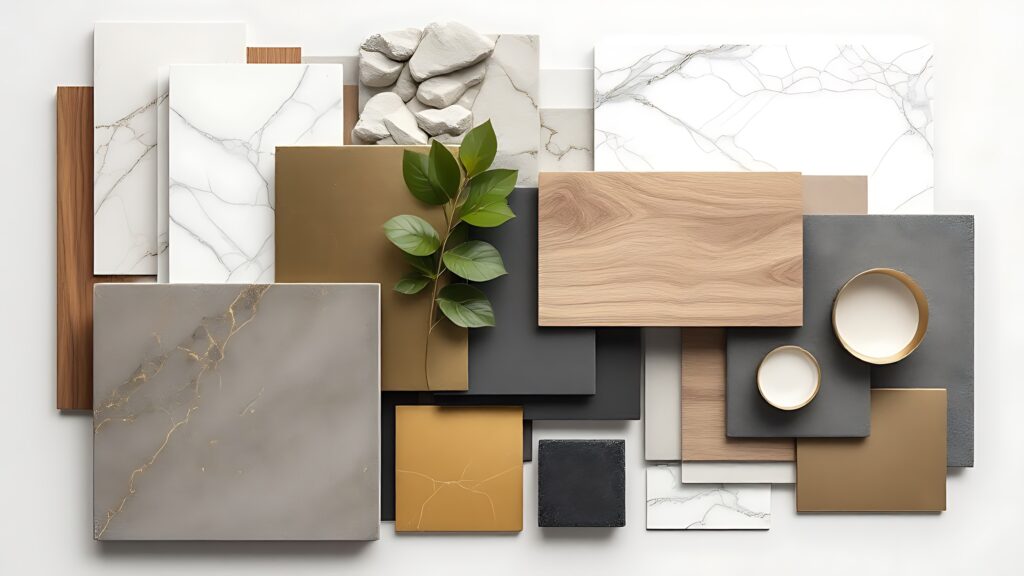
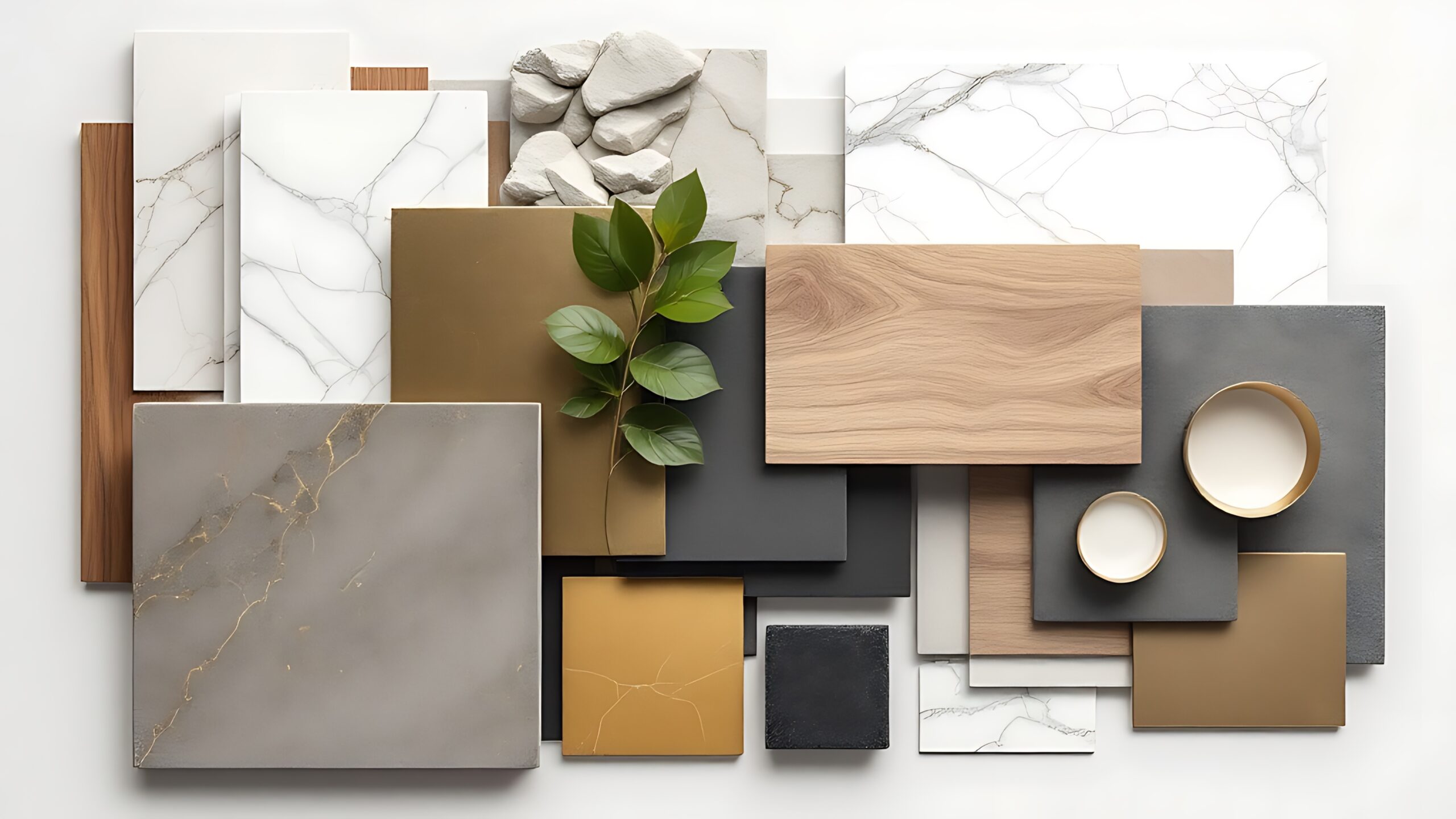
One of the biggest design shifts heading into 2026 is a move toward materials with more depth and texture. Instead of flat, minimal surfaces, designers are layering materials that feel warmer and more tactile.
“Trends for 2026 we foresee are higher texture in design materials,” Bacon said. “Think deep texture, cozy materials, and a strong emphasis on nature.”
This trend ties closely to a growing concept known as sensory design, which looks at how people experience a space through multiple senses. Materials that invite touch, lighting that creates warmth, and natural elements that bring the outdoors inside can all influence how comfortable a space feels.
As more of daily life happens through screens, physical spaces are starting to play an even more important role in helping people feel grounded and connected to their surroundings.
Offices Continue to Evolve
Workplace design is still adjusting to the long-term effects of post-COVID work patterns. Hybrid schedules and flexible work locations mean offices need to offer something people cannot easily get at home.
“Nearly every workplace has changed, with work being done in multiple locations or at least the ability to do so,” Bacon said.
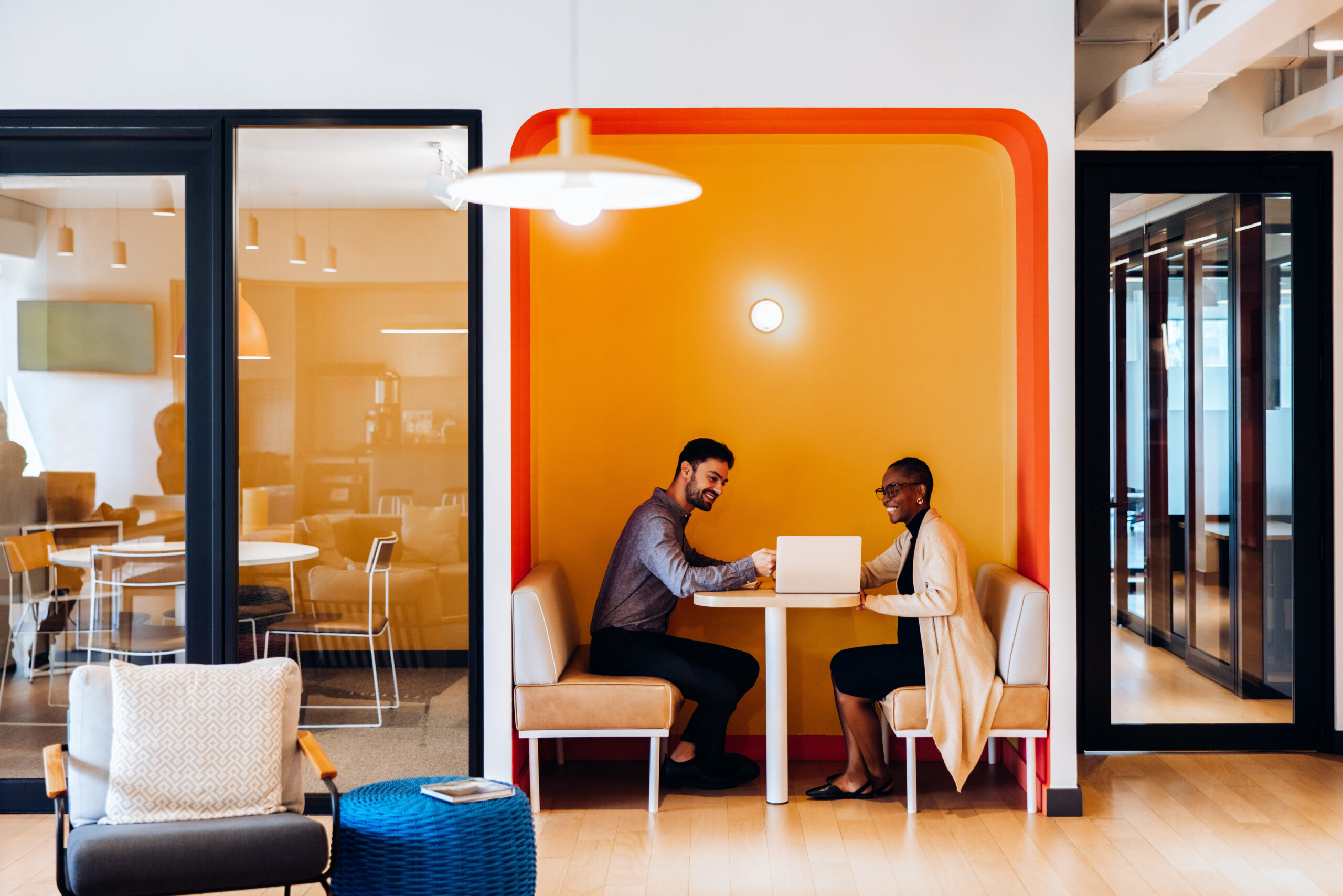
Because of that, organizations are thinking more intentionally about what their workplace offers employees. Collaboration spaces, technology that supports hybrid meetings, and areas designed for focused work are all becoming more important.
Bacon says even small amenities can influence how people experience the workplace.
“It’s important to consider what your workplace can offer that isn’t available elsewhere,” Bacon said. “Is that coffee machine a draw? Does the streamlined technology allow for better collaboration? Do you have enough private, enclosed spaces that are necessary for focus and efficiency?”
Today’s offices are less about rows of desks and more about creating a mix of spaces that support different types of work throughout the day.
Sustainability Still Matters
Sustainability continues to shape interior design decisions, particularly when it comes to materials and product selection.
Manufacturers are investing heavily in developing materials that reduce environmental impact while also improving indoor environments. Products made with recycled content, healthier finishes, and materials designed to reduce waste are becoming more common across the industry.
“We continue to see development and companies pouring resources into creating materials with environmental impact,” Bacon said. “Whether through recycled content, healthy materials, reduced waste, or improved occupant well-being.”
Even when sustainability is not the primary focus of a project, designers are increasingly aware of how their decisions affect both the environment and the people who will use the space.

Balancing Aesthetics and Function
Designers have always worked to balance how a space looks with how it functions. New research is starting to help explain why that balance matters so much.
One emerging field is neuroaesthetics, which studies how the brain responds to art, beauty, and design.
“Neuroaesthetics is an emerging field that examines the biological and neurological basis of aesthetic experience,” Bacon said. “For a long time, it’s been hard to nail down what makes a space feel ‘good.’ Hopefully, research will help more designers articulate and encourage the need for aesthetics to be a central part of the design solution.”
At the same time, functionality remains a critical part of every design conversation.
“Functionality is highly valued in our region, so it is part of every design project discussion,” Bacon said. “The best solution includes both components.”
When a space works well and feels right, the design tends to stand the test of time.
Pattern Play Makes a Comeback
Like most areas of design, interior trends often come full circle. One example gaining traction again is pattern mixing.
Designers are starting to reintroduce layered patterns across textiles, finishes, and surfaces to add personality and visual interest to certain spaces.
“Trends, as expected, come and go,” Bacon said. “There is a lot of pattern play and pattern mixing in interiors, which is making a comeback—great for some projects, but not for all spaces.”
Used thoughtfully, pattern can bring energy to a space. But like many design elements, it works best when it aligns with the overall purpose and feel of the environment.
Warm, Comfortable Spaces
Color palettes and material tones are also shifting toward warmth and comfort.
Designers are leaning into materials and colors that help spaces feel welcoming, relaxed, and lived-in. Natural tones, layered materials, and softer textures all contribute to that feeling.
“With so much uncertainty, fluctuation, and digital interfaces, it makes sense that humans are craving consistency and coziness, along with something tactile in a physical space,” Bacon said.
In many ways, these trends reflect a larger shift in how people think about the spaces around them. Whether in workplaces, healthcare environments, or community spaces, interior design is increasingly focused on creating places that support well-being, comfort, and connection.
SCHEMMER – DESIGN WITH PURPOSE. BUILD WITH CONFIDENCE.
At Schemmer, we believe that great design goes beyond structures; it strengthens communities. As a full-service architecture, engineering, and construction field services consultant, we deliver innovative solutions that enhance the built environment and improve lives.
Since 1959, we have been shaping the future while honoring our legacy. With nine offices across six states in the Midwest, our expertise reaches coast-to-coast, bringing thoughtful, sustainable, and impactful solutions to every project.
Our Comprehensive Services:
- Architecture
- Structural Engineering
- Mechanical Engineering
- Electrical Engineering
- Site/Civil Engineering
- Transportation Engineering
- Water/Wastewater Engineering
- Surveying
- Interior Design
- Geotechnical Engineering
- Field Services
At Schemmer, we don’t just design, we create lasting impact. Let’s design a better future together.