
Schemmer
Newsroom
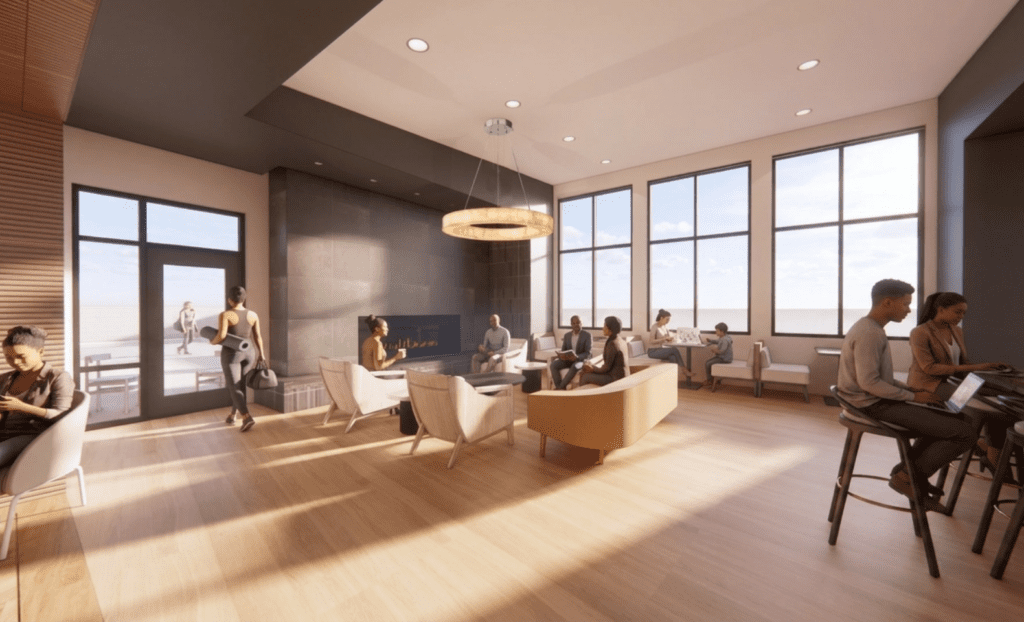
Why Interior Design Matters in a Full-Service Architecture and Engineering Firm
June 2, 2026 • All
When people think about interior design, their minds often jump to furniture selections, paint colors, and finish materials.
While those elements certainly play a role, they represent only a fraction of what interior designers bring to a project.
The true benefits of interior design extend far beyond aesthetics. Thoughtful interior design influences how people feel, work, interact, and experience a space every day. When integrated within a full-service architecture and engineering firm, interior design becomes a powerful tool for creating environments that are not only functional and efficient, but also supportive of the people who use them.
At Schemmer, interior designers collaborate with architects and engineers from the earliest stages of a project to ensure that every design decision considers both the building and the people inside it.
Designing Spaces Around People
According to Jackie Bacon, Schemmer’s Manager of Interior Design, great interior design begins with understanding how people physically and emotionally respond to their surroundings.
“At its core, interior design is about creating an environment that is ordered, functional, beautiful, and deeply supportive of the humans inside it,” Bacon said.
Lighting, acoustics, spatial organization, and circulation all play a significant role in shaping a person’s experience within a building. Poor lighting can contribute to eye strain and fatigue. Excessive noise can make concentration difficult and create unnecessary stress. Confusing layouts can leave people feeling frustrated or disconnected.
On the other hand, thoughtfully designed spaces can help people feel comfortable, focused, and engaged.
“When a space is thoughtfully ordered, something incredible happens,” Bacon said. “People feel calmer. They work with greater focus, they communicate more openly, and they naturally connect with the people around them.”
These outcomes don’t happen by accident. They are the result of intentional design decisions that begin long before furniture and finishes are selected.
The Advantage of Early Collaboration
One of the greatest benefits of working with a full-service architecture and engineering firm is the ability to involve interior designers from the very beginning of a project.
Many people assume interior designers become involved once a building’s layout has already been established. In reality, some of the most important design decisions happen during the earliest planning and programming phases.
When interior designers work alongside architects and engineers from day one, they can help shape how people move through a facility, experience natural light, collaborate with others, and interact with the space for years to come.
“We don’t just look at how a building stands,” Bacon said. “We look at how a human being will navigate it, feel inside it, and use it every single day.”
This integrated approach creates a more cohesive design process and allows the project team to align the building’s physical structure with the experience happening inside it. Elements such as daylighting, acoustics, workflow, and user comfort can be incorporated into the design from the start rather than addressed later through costly modifications.
For clients, that means better coordination, fewer surprises, and a facility that better supports their long-term goals.
Creating Better Outcomes Through Integrated Design
The value of collaboration becomes especially apparent on complex projects.
Bacon points to a current laboratory project as an example of how interior design, architecture, and engineering work together to create better environments.
Science and laboratory facilities are often driven by highly specialized equipment, technical infrastructure, and strict operational requirements. While these facilities are designed to support critical work, they can sometimes feel overwhelming, enclosed, or difficult to navigate.
Through close collaboration between disciplines, the project team is focused on creating a space that remains highly functional while also supporting the people who spend their days there.
“When people are doing deeply focused, exhausting work, the environment shouldn’t add to their stress,” Bacon said. “It should be a place that gives back.”
By considering both technical requirements and human experience, the team is creating a facility that balances performance, comfort, and usability.
The Design Details That Pay Off Long-Term
Some of the most impactful interior design decisions are also the easiest to overlook.
When project budgets become tight, interior finishes are often viewed as opportunities for cost savings. While less expensive materials may look similar on opening day, their long-term performance can tell a very different story.
A flooring product that wears prematurely, upholstery that quickly shows damage, or hardware that requires frequent replacement can lead to increased maintenance costs and a shorter lifecycle for the space.
“Time is an unyielding judge,” Bacon said.
Thoughtful interior design evaluates materials not only for their appearance, but also for their durability, maintenance requirements, and long-term value. These decisions can help clients maximize their investment while creating spaces that continue to perform years after occupancy.
Navigating a World of Endless Choices
The role of interior design has evolved significantly in recent years.
Today’s clients have access to an endless stream of inspiration through social media, design blogs, and home improvement programming. While that accessibility has helped people better understand the possibilities of design, it has also introduced a new challenge: information overload.
“In the past, a challenge for a client might have been finding enough options,” Bacon said. “Today, the challenge is filtering them out.”
With hundreds of products, materials, layouts, and trends competing for attention, many clients find themselves overwhelmed by the number of decisions involved in a project.
Interior designers help simplify that process. By understanding a client’s goals, budget, operations, and vision, they can guide decisions that create a cohesive environment while avoiding costly mistakes and decision fatigue.
More Than Finishes and Furniture
Interior design has always been about more than aesthetics.
Within a full-service architecture and engineering firm, interior design serves as a bridge between technical performance and human experience. It helps ensure that buildings don’t simply function as intended, but also support the people who use them every day.
Whether it’s improving comfort, enhancing productivity, supporting collaboration, or creating long-term value, interior design plays a critical role in the success of a project.
Because at the end of the day, great buildings aren’t just designed around systems and spaces. They’re designed around people.
SCHEMMER – ARCHITECTURE | ENGINEERING | +
At Schemmer, we believe that great design goes beyond structures; it strengthens communities. As a full-service architecture, engineering, and construction field services consultant, we deliver innovative solutions that enhance the built environment and improve lives.
Since 1959, we have been shaping the future while honoring our legacy. With nine offices across six states in the Midwest, our expertise reaches coast-to-coast, bringing thoughtful, sustainable, and impactful solutions to every project.
Our Comprehensive Services:
- Architecture
- Structural Engineering
- Mechanical Engineering
- Electrical Engineering
- Site/Civil Engineering
- Transportation Engineering
- Water/Wastewater Engineering
- Surveying
- Interior Design
- Geotechnical Engineering
- Field Services
At Schemmer, we don’t just design projects, we create lasting impact. Let’s design a better future together.